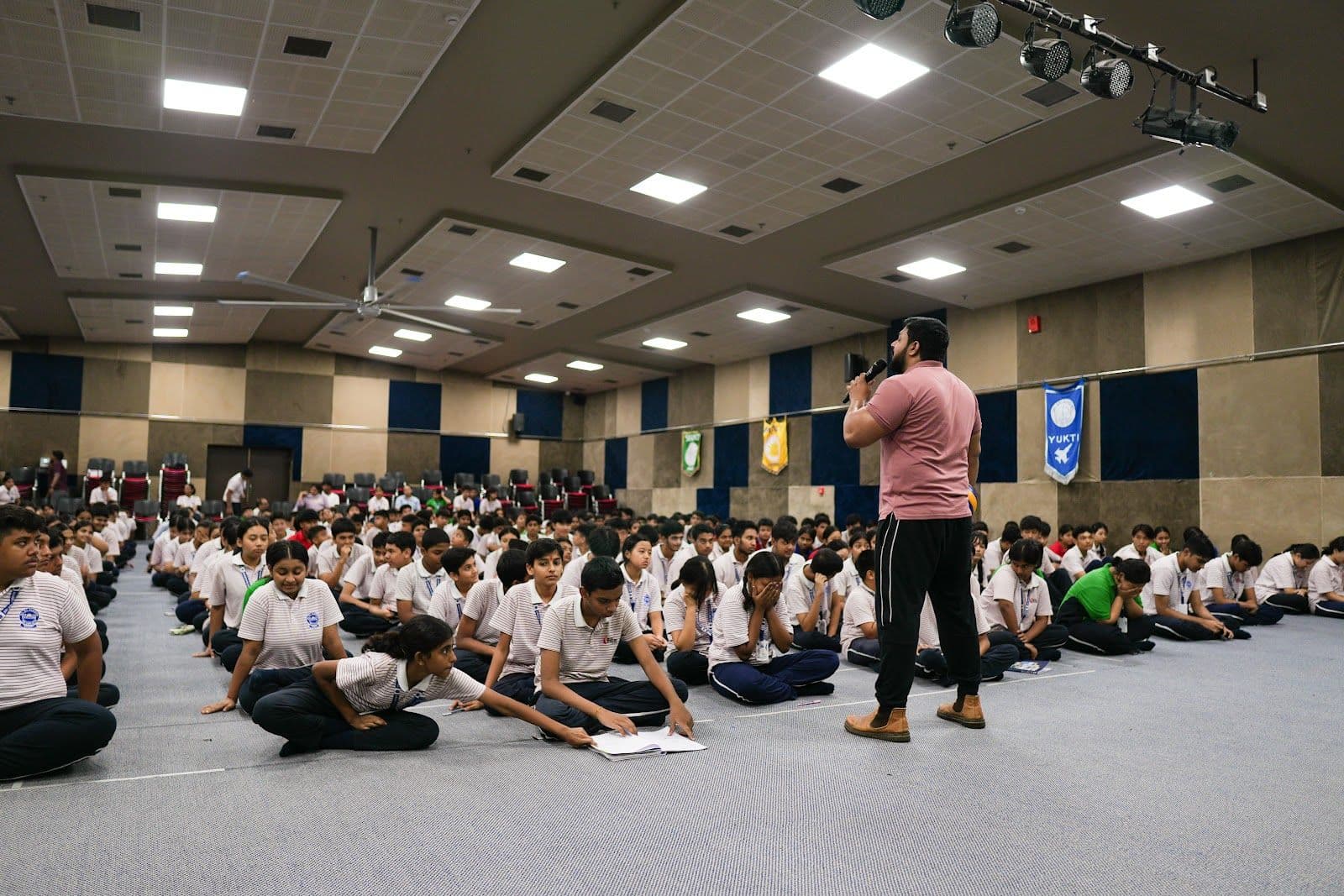
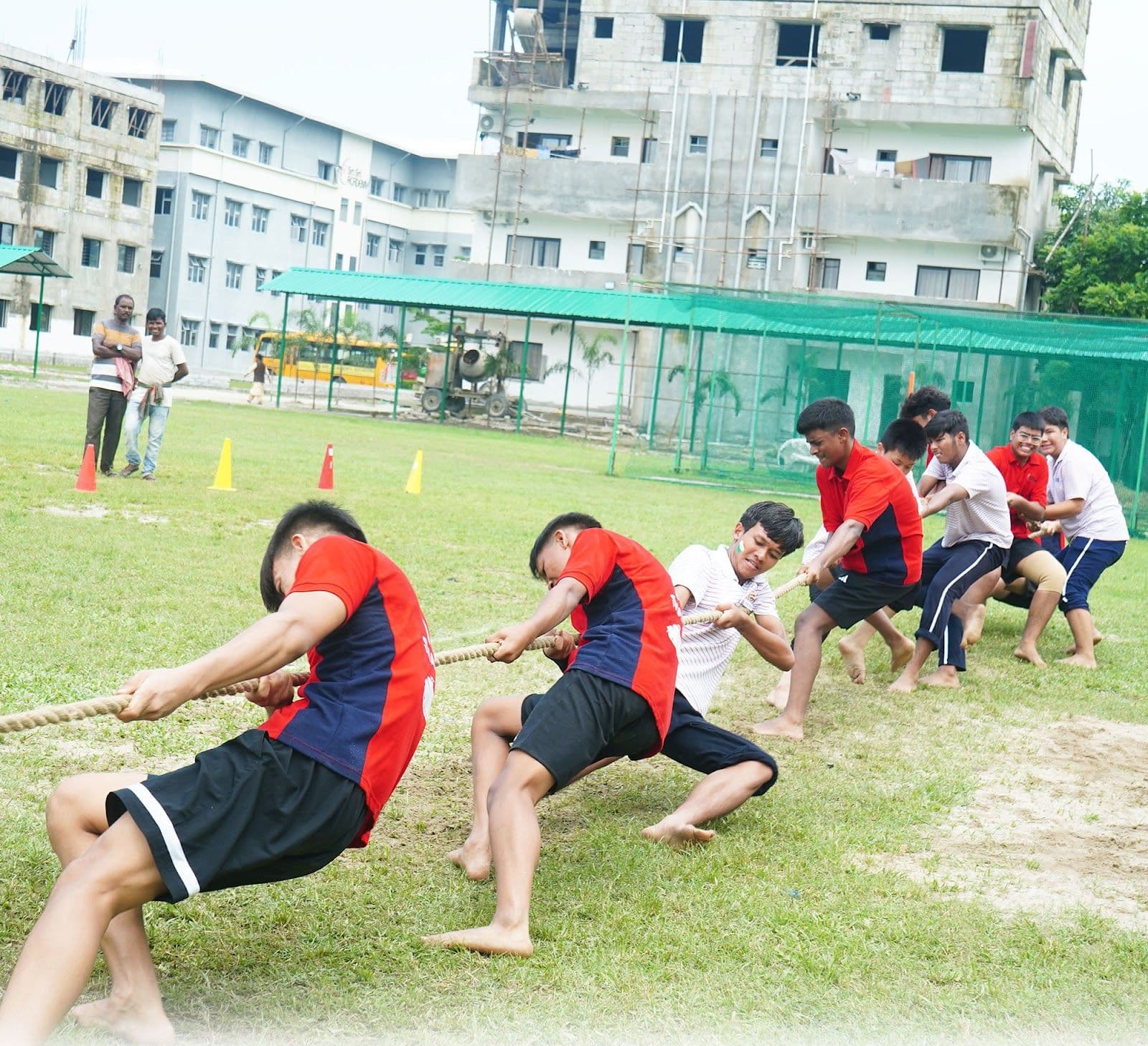
Accountability, spoken aloud
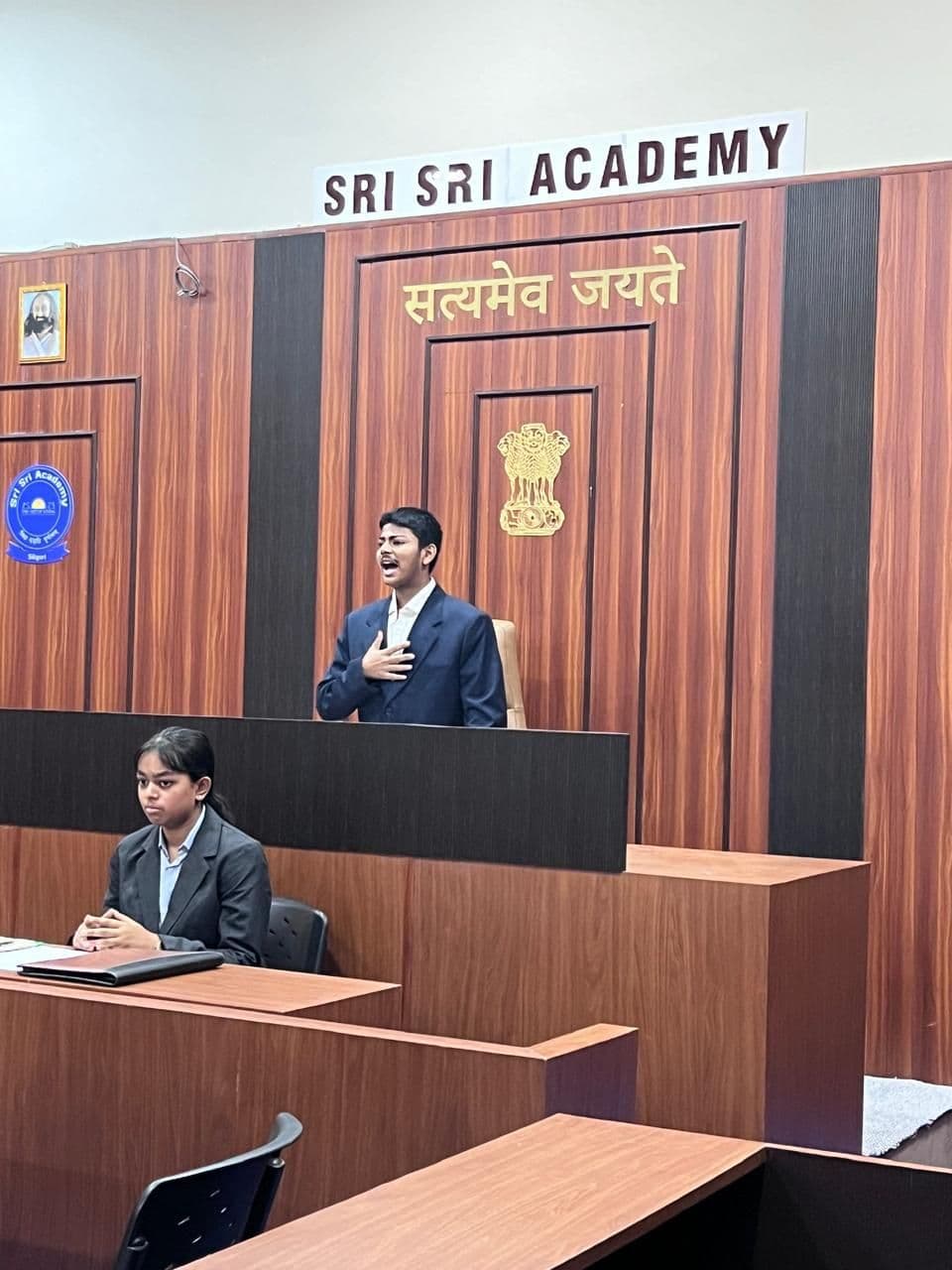
A student names what they did in front of those affected. The conversation asks more of them than a detention slip.
Beyond Academics
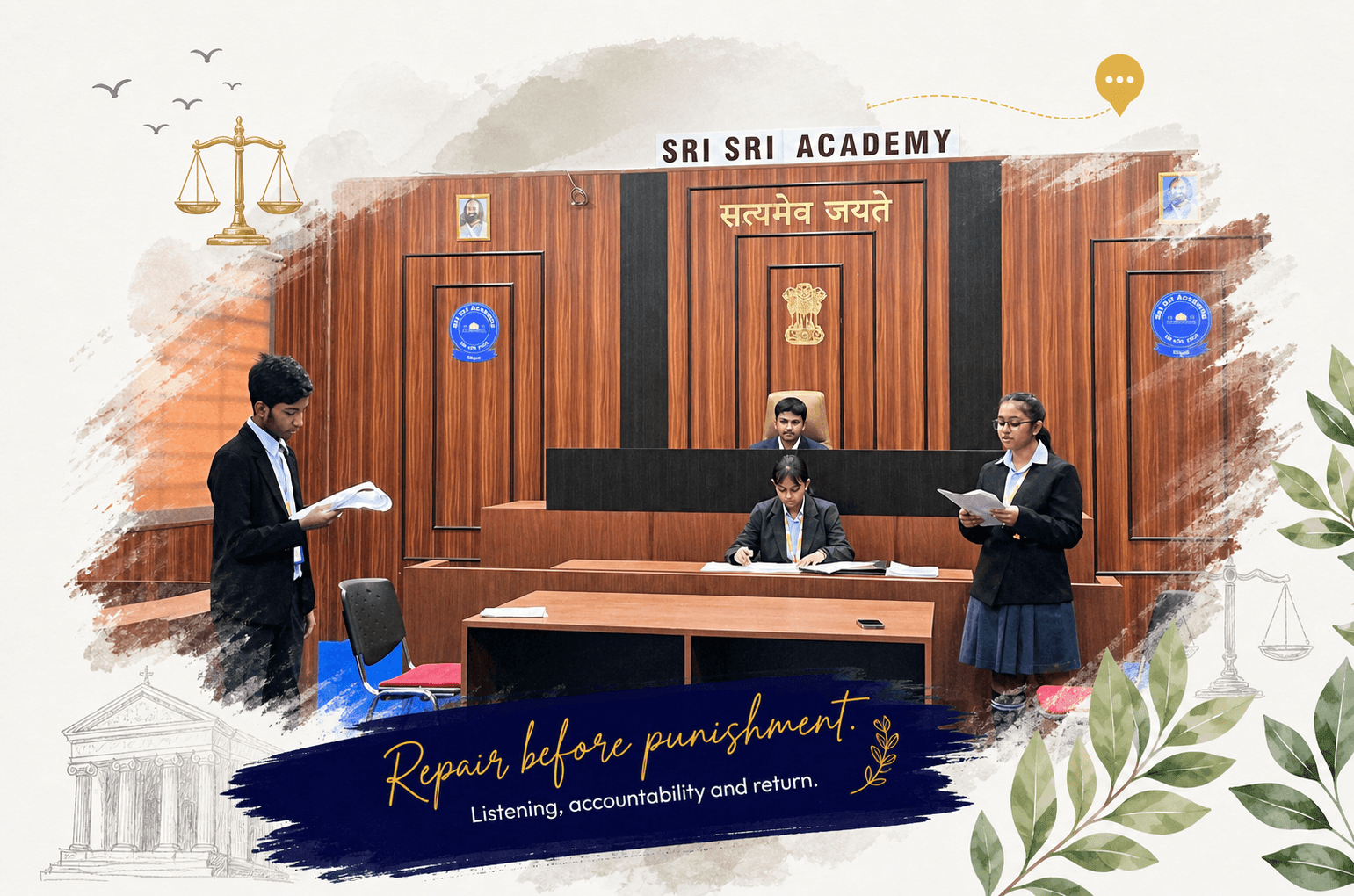
When something goes wrong between students, the school asks who was harmed and how the harm can be repaired. Restorative circles hold that conversation rather than stopping at who broke the rule.
In pictures
The idea
A student names what they did in front of those affected. The conversation asks more of them than a detention slip.
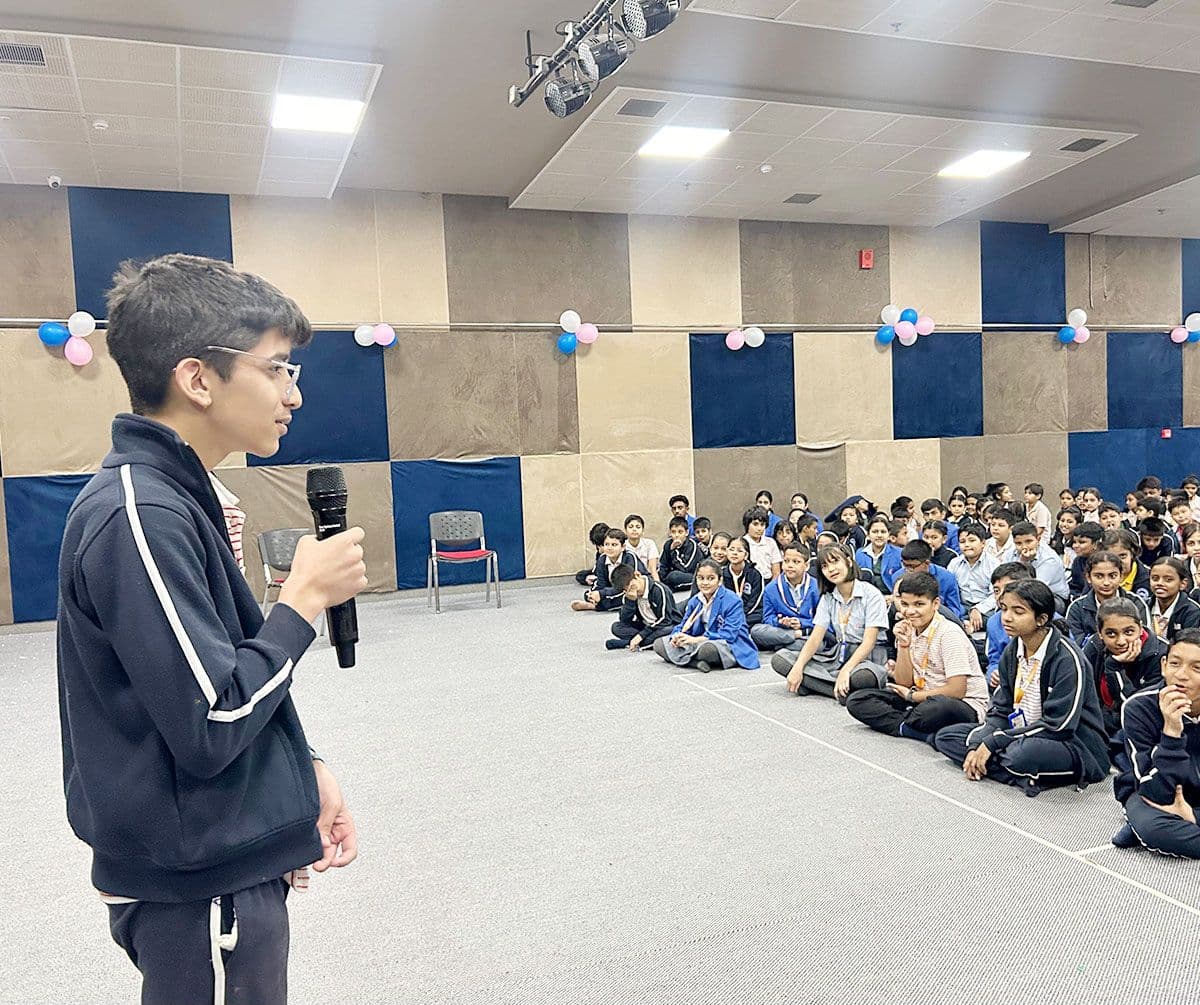
Circles depend on turn-taking. Students practise hearing an account that differs from their own.
The agreed outcome focuses on action, not punishment. The student is supported in returning to the group without being defined by their mistake.
In practice
Restorative Justice